
General Cell Lines and Cell Cultures

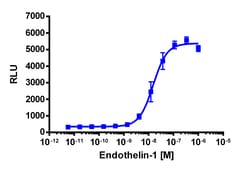
Eurofins Discoverx PathHunter CHO-K1 mEDNRA β-Arrestin Cell Line, 2 vials. (93-0685C2)
The PathHunter mEDNRA cell line is a stable, engineered cell line for use in studying drug candidates (small molecules or biologics) targeting GPCRs. This cell line enables assessment of ligand (e.g. endothelin-1) based activation of mEDNRA GPCR activity via detection of β-arrestin recruitment. The included cell line overexpresses ProLink-tagged mEDNRA and EA-tagged β-Arrestin-2. Activation of mEDNRA stimulates the recruitment of β-Arrestin-2 and produces EFC signal. This stable modified cell line is provided as two vials of cryopreserved cells. Please note that this product expresses the Mouse version of this protein. For detailed product information, User Manual and datasheet, visit www.discoverx.com/gpcr.


ATCC Streptomyces nodosus
Streptomyces nodosus strain SC 2388 is a whole-genome sequenced bacterial type strain that was isolated in Venezuela from soil from the Orinoco River. This strain produces amphotericin A.

ATCC C2C12 scrambled; Myoblast; Mouse (Mus musculus)
C2C12 Scrambled is a cell line with myoblast morphology that was isolated in 2013 from the skeletal muscle of a mouse. The cell line was created by transfecting C2C12 cells with scrambled shRNA. The scrambled shRNA is maintained in the cell line by growing the cells with 2 μg/ml puromycin. Cells show same levels of dysferlin expression as wild type cells. This is the control cell line for C2C12 Clone 5 DYS shRNA (ATCC CRL-3418). This cell line can be used to study membrane repair and muscle regeneration mechanisms.

ATCC Kocuria rhizophila; 6 x 0.3mL
ATCC 9341-MINI-PACK™ consists of 6 ready-to-use vials of ATCC 9341™ frozen in 200 μL of glycerol stock, eliminating the need to rehydrate and culture the strain prior to use. Each vial is provided with a 2-D barcode for easy storage and tracking, as well as peel-off labels for fast and reliable recordkeeping.

ATCC Streptococcus gordonii; V288
This is a bacterial strain with applications as a transformation host. Explore the use of this strain in your molecular biology research.
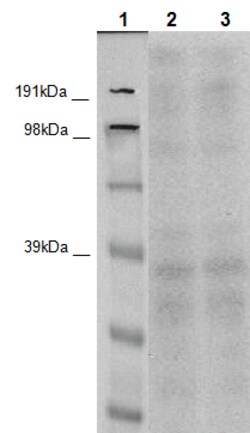
Eurofins Discoverx PathHunter CHO-K1 BAI2 β-Arrestin Orphan GPCR Cell Line, 2 vials. (93-0546C2)
The PathHunter BAI2 cell line is a stable, engineered cell line for use in studying drug candidates (small molecules or biologics) targeting GPCRs. This cell line enables assessment of ligand based activation of BAI2 GPCR activity via detection of β-arrestin recruitment. The included cell line overexpresses ProLink-tagged BAI2 and EA-tagged β-Arrestin-2. Activation of BAI2 stimulates the recruitment of β-Arrestin-2 and produces EFC signal. This stable modified cell line is provided as two vials of cryopreserved cells. This is an orphan receptor without a known ligand. For detailed product information, User Manual and datasheet, visit www.discoverx.com/gpcr.

ATCC Pfizer Pneumococcal polysaccharide powder Type 17 (d17F) 2mg
Purified pneumococcal polysaccharide type 17F is manufactured by Pfizer, Inc. for small quantity distribution by ATCC. The pneumococcal polysaccharide type 17F can be used to assay for type-specific antibodies, research immune responses, and study immunodeficiencies.

ATCC Streptococcus thermophilus; 6 x 0.3mL
ATCC 19258-MINI-PACK™ consists of 6 ready-to-use vials of ATCC 19258™ frozen in 200 μL of glycerol stock, eliminating the need to rehydrate and culture the strain prior to use. Each vial is provided with a 2-D barcode for easy storage and tracking, as well as peel-off labels for fast and reliable recordkeeping.

Amsbio LLC Flp recombinase Expression HEK293 stable cell

Flp recombinase Expression HEK293 stable cell

Biochain Institute Inc Paraffin Tissue Section - Human Adult Normal: Spleen, 5 slides/PK
BioChain's tissue products are based on the sample repository network established following the IRB-approved ethical standard and procedures. BioChain's formalin fixed paraffin embedded (FFPE) tissue section line encompasses a large selection of tissue sections which are suitable for immunohistochemistry and in situ hybridization assays. The tissue sections are approximately 5 um thick. For those customers who want to perform FFPE DNA and RNA isolation, BioChain can provide tissue section slices in tubes instead of mounting them on glass slides.


ATCC THP-1 CRE-Luc2; Acute Monocytic Leukemia; Human (Homo sapiens)
For-profit organizations: For every order of this item, you must provide a signed Material Transfer Agreement Addendum for Screening Application. We cannot ship this item until we receive this addendum. The person signing the addendum as the principal investigator must match the end user as listed on the applicable sales order for the item.Email the signed addendum to SalesPermits@atcc.org with a reference to both your account and sales order numbers. Once received, your addendum will be reviewed, and this item will be released for shipment if all requirements are met. Additional fees may apply if this product is being used for a screening use (ATCC ACS-2103F), and these fees will be applied after your order is confirmed. If you need assistance with your order, please contact our Customer Care team.

ATCC Quantitative Genomic DNA from; Brevundimonas diminuta; Strain: PCI 818
ATCC Genuine Nucleics can be used for assay development, verification, validation, monitoring of day-to-day test variation, and lot-to-lot performance of molecular-based assays. The quantitative format allows for the generation of a standard curve for quantitative PCR (qPCR) to determine bacterial load.

Sciencell Research Laboratories Human Mammary Vascular Endothelial Cells
HMVEC from ScienCell Research Laboratories are isolated from human breast. HMVEC are cryopreserved after purification and delivered frozen. Each vial contains >5 x 10⁵ cells in 1 ml volume.

ATCC Clostridium perfringens; 6 x 0.3mL
ATCC 13124-MINI-PACK™ consists of 6 ready-to-use vials of ATCC 13124™ frozen in 200 μL of glycerol stock, eliminating the need to rehydrate and culture the strain prior to use. Each vial is provided with a 2-D barcode for easy storage and tracking, as well as peel-off labels for fast and reliable recordkeeping.
Cell Applications Inc Cryopreserved CD34+ Hematopoietic Stem Cells, Liver (HHSC-L), Fetal
Cryopreserved CD34+ Hematopoietic Stem Cells, Liver (HHSC-L), Fetal